
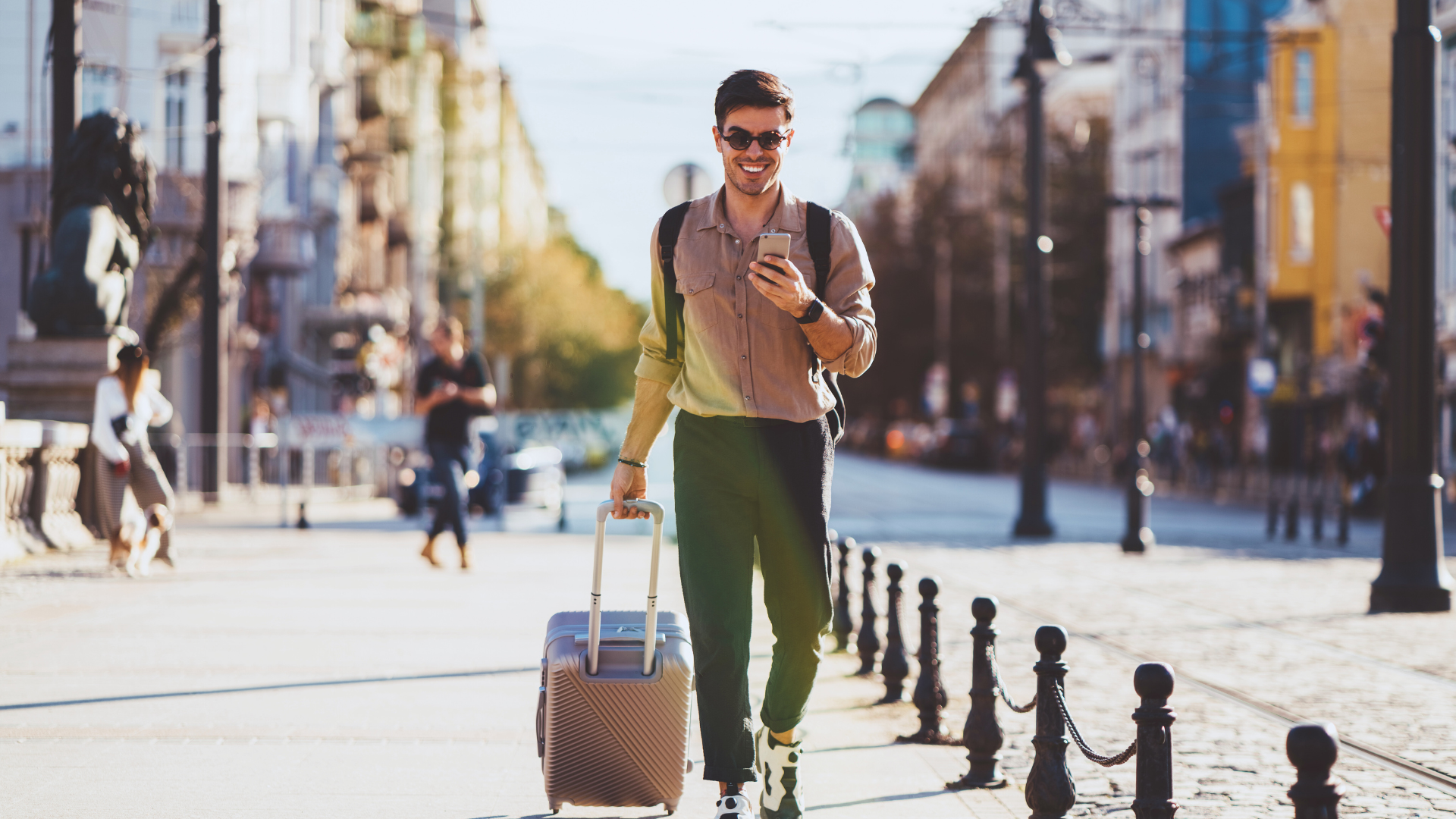
Traveling for extended periods can be an enriching experience, but it also comes with unique challenges. To navigate these effectively, adopting certain habits can make a significant difference. Implementing practical routines and maintaining a flexible mindset are crucial for long-term travelers looking to enjoy their journeys fully.
Establishing a daily schedule can help maintain a sense of normalcy amid the excitement of new destinations. Additionally, prioritizing self-care, such as regular exercise and healthy eating, ensures travelers remain energized and connected to their well-being.
Building a network of fellow travelers or locals can enhance experiences and provide valuable insights. Such relationships not only offer emotional support but can also lead to discovering hidden gems off the typical tourist path. Embracing these habits will foster a more fulfilling travel experience.
Establishing the Essential Habits for Long-Term Travel
Long-term travelers can thrive by embracing key habits that enhance their journeys. Focusing on flexibility, sustainability, routine, and health ensures a more enriching travel experience.
Embracing Flexibility and Open-Mindedness
Flexibility is crucial for long-term travelers. Plans can change rapidly due to weather, local customs, or unexpected opportunities. Embracing this uncertainty allows travelers to adapt and make the most of their adventures.
Open-mindedness complements flexibility. Engaging with diverse cultures and trying new things often leads to unforgettable experiences. By approaching each destination with curiosity and a willingness to learn, long-term travelers can deepen their understanding of the world around them.
Prioritizing Slow Travel for Sustainability
Slow travel promotes sustainability by encouraging longer stays in each location. This approach reduces transportation emissions and allows travelers to engage more deeply with the local community.
Taking the time to explore a destination fosters genuine connections. Supporting local businesses, participating in cultural activities, and exploring on foot or by bike are some ways to immerse oneself in the environment. It also enhances the overall experience, making it more memorable.
Developing a Routine on the Road
Creating a routine helps long-term travelers maintain a sense of normalcy. Daily habits, such as setting aside time for journaling, exercise, or learning a new skill, can provide structure amid a fluid schedule.
Routines foster productivity and ensure travelers prioritize personal growth. Even simple practices, like establishing a morning ritual, can enhance mental well-being. Keeping a consistent sleep schedule is also beneficial, aiding both health and energy levels during travel adventures.
Maintaining Health and Well-Being
Health should always be a priority for long-term travelers. This includes both physical and mental well-being. Regular exercise, such as hiking or yoga, can be integrated into the daily routine to stay active.
Nutrition is another vital aspect. Eating fresh, local foods not only supports local economies but also provides essential nutrients. Staying hydrated is equally important, especially in new environments. Regular check-ins with oneself can help manage stress and maintain a positive mindset, crucial for the journey ahead.
Packing and Organization Strategies
Effective packing and organization can significantly enhance the travel experience. Adopting strategies to pack light and keeping gear organized can lead to greater mobility and ease during long travels.
Packing Light for Maximum Mobility
Travelers should prioritize packing light to enhance mobility. This means selecting versatile clothing that can be mixed and matched. Essential items might include:
- Two to three pairs of pants are suitable for different occasions.
- Five to seven tops, allowing for layering and versatility.
- One lightweight jacket for varying weather conditions.
Additionally, using packing cubes can help categorize items, making it easy to access what’s needed without rummaging through the bag. A well-thought-out packing list ensures nothing important is left behind. Emphasizing items that dry quickly can also make laundry days less of a hassle.
Choosing the Right Backpack and Gear
Selecting the right backpack is crucial for comfort and functionality. The backpack should fit well, allowing for even weight distribution across the shoulders and hips. Key features to consider include:
- Size: A backpack between 40 to 60 liters is usually ideal for long-term travel.
- Compartments: Multiple pockets help organize gear and provide easy access to essentials.
- Durability: Look for materials resistant to wear, water, and weather.
Investing in quality gear, such as travel-friendly shoes and lightweight sleeping bags, contributes to a more enjoyable journey. Travelers should choose items that balance functionality with weight to maintain efficiency.
Efficient Luggage Organization Methods
Effective organization methods can save time and reduce stress. A strategy like the rolling technique helps maximize space while minimizing wrinkles.
Utilizing ziplock bags or compression bags can further optimize packing space. This is especially useful for keeping dirty clothes separate from clean ones.
Creating a daily essentials pouch allows for quick access to items like passports, travel documents, and chargers. Labeling compartments inside the backpack can provide a quick reference, making it easier to locate gear. Adopting these methods leads to a smoother and more organized travel experience.
Smart Accommodation and Financial Management
Choosing the right accommodation and managing finances are pivotal for long-term travelers. Smart decisions ensure comfort and financial stability throughout their journey.
Navigating Hostels and Guesthouses
Hostels and guesthouses provide budget-friendly options for travelers. They often offer a sense of community and opportunities to meet fellow travelers.
Hostels typically have shared dormitory-style rooms but may also offer private rooms. They often include amenities like kitchens and social areas. Popular platforms like Hostelworld and Booking.com can help find well-reviewed options.
Guesthouses tend to offer a more homey atmosphere with private rooms and personalized service. They are often family-run and provide local insights.
When booking, consider location, reviews, and safety features. Staying in a place with kitchen facilities can save money on dining out.
Managing Your Travel Budget
Effective budgeting is crucial for long-term travel. Travelers should create a detailed budget that covers accommodation, food, transport, activities, and unexpected expenses.
A simple way to track expenses is by using budgeting apps like Trail Wallet or Expensify. Setting a daily spending limit helps maintain financial discipline.
Furthermore, it’s prudent to allocate funds for emergencies. This could be about 10-15% of the total budget. Travelers should frequently review their expenditures to adjust as necessary, ensuring they stay on track financially.
Travel Insurance for Safety and Peace of Mind
Travel insurance provides essential coverage that protects travelers from unforeseen circumstances. It can cover medical emergencies, trip cancellations, lost luggage, and more.
When selecting an insurance policy, key factors to consider include:
- Coverage Limits: Ensure it covers major expenses, especially medical costs.
- Emergency Assistance: Look for a 24/7 assistance hotline availability.
- Exclusions: Understand what is not covered, such as pre-existing conditions.
Comparing policies through platforms like InsureMyTrip or Squaremouth can help find the best option. Investing in travel insurance safeguards travelers against unexpected financial strains, ensuring a more enjoyable experience.
Cultural Adaptation and Responsible Exploration
Adapting to new cultures and exploring responsibly enhances the travel experience. Engaging with local customs, building connections, and practicing sustainability ensures a respectful and enriching journey.
Learning and Respecting Local Customs
Understanding local customs is essential for successful cultural adaptation. Travelers should research practices specific to their destinations. This includes greeting rituals, dining etiquette, or dress codes.
Key Points to Consider:
- Greetings: In some cultures, a handshake is appropriate, while in others, a bow is preferred.
- Dining: Learn about food traditions. For example, in Japan, finishing your plate is polite; in some Middle Eastern cultures, sharing food from a communal dish is common.
- Dress Codes: Dressing modestly may be necessary in certain religious sites.
Respecting these customs fosters goodwill and helps avoid unintentional offense.
Building Connections with Locals and Travelers
Creating relationships with locals enriches travel experiences. Engaging in conversations leads to deeper insights about the culture.
Tips for Building Connections:
- Attend Local Events: Festivals, markets, or workshops provide opportunities to meet people.
- Language Learning: Even basic phrases in the local language show respect and willingness to engage.
- Volunteer Opportunities: Participating in community projects creates bonds with locals while contributing positively.
Interactions with fellow travelers can also enhance the experience. Sharing stories and insights leads to lasting friendships.
Practicing Responsible and Sustainable Travel
Traveling responsibly is vital to preserving the environment and respecting local communities. Travelers should be mindful of their impact on destinations.
Sustainable Practices:
- Reduce Waste: Use reusable bags, bottles, and utensils to minimize plastic waste.
- Support Local Economies: Choose local businesses for accommodation, food, and souvenirs.
- Respect Nature: Stay on marked trails and avoid disturbing wildlife.
Being conscious of cultural and environmental impacts ensures that travel is enjoyable and sustainable for future visitors.